Step No.3
the protocol of Success.
4 stages of learning
3 levels of interest
Back to success
The 4 stages of learning
Our conscious mind can hold between 6-12 bits of information at once. The moment we try to hold more than that we get overwhelmed.
Therefore we have to find an EFFICIENT way to internalize the Material - The 4 stages of learning.
Don't know that I don't know - There is something in the world that we don't know that exists and we don't know how to do like riding a bike, at some point we didn't know what is a bike and how to ride it.
Know that I don't know - discovered the bike but still don't know how to ride it.
Conscious competence - Learning Phase - We practice and we know how to ride it but we have to consciously invest to perform the task.
Unconscious competence - internalizing Phase - We fully internalized the skill and we can do other things while riding the bike.
We will constantly be in stages 3-4, I will be presenting information and movements to you, and you will need to progress to the 4th stage in order to internalize and make it part of your reflexes, only in this way you will be able to move to the next step effectively. Otherwise, you will be missing pieces of movement and this is one of the main causes of injury
For example, to learn effectively we must learn to master the riding, before we try something more complex like riding without using our hands.
In some cases, we metaphorically try to ride the bike without using our hands while we're on the phone discussing the meaning of life. In other words, we overwhelm ourselves, with too many tasks at once.
APPLICATION
Pay attention to the smallest details.
Pay attention to whether what you have learned previously has been embedded in your reflexes or not. If we use the metaphor of the bike, pay attention when you try to ride without using your hands if you're still maintaining balance or, as soon as you take off your hands do you immediately lose balance. In this case get more comfortable with the previous exercise.
Take a video of yourself training, go over the key points that are layed out in the explanatory video, and see if you're doing that right or you're missing points.
Don’t Force Movements, do the movements within The comfortable range of motion of your joints, do them gently as a positive gesture for your body.
3 levels of interest
Your level of interest will determine how persistent you are. This means that we have a responsibility to shape the activity in a way that we can enjoy it, which is why people often turn to a professional who can create this experience for them.
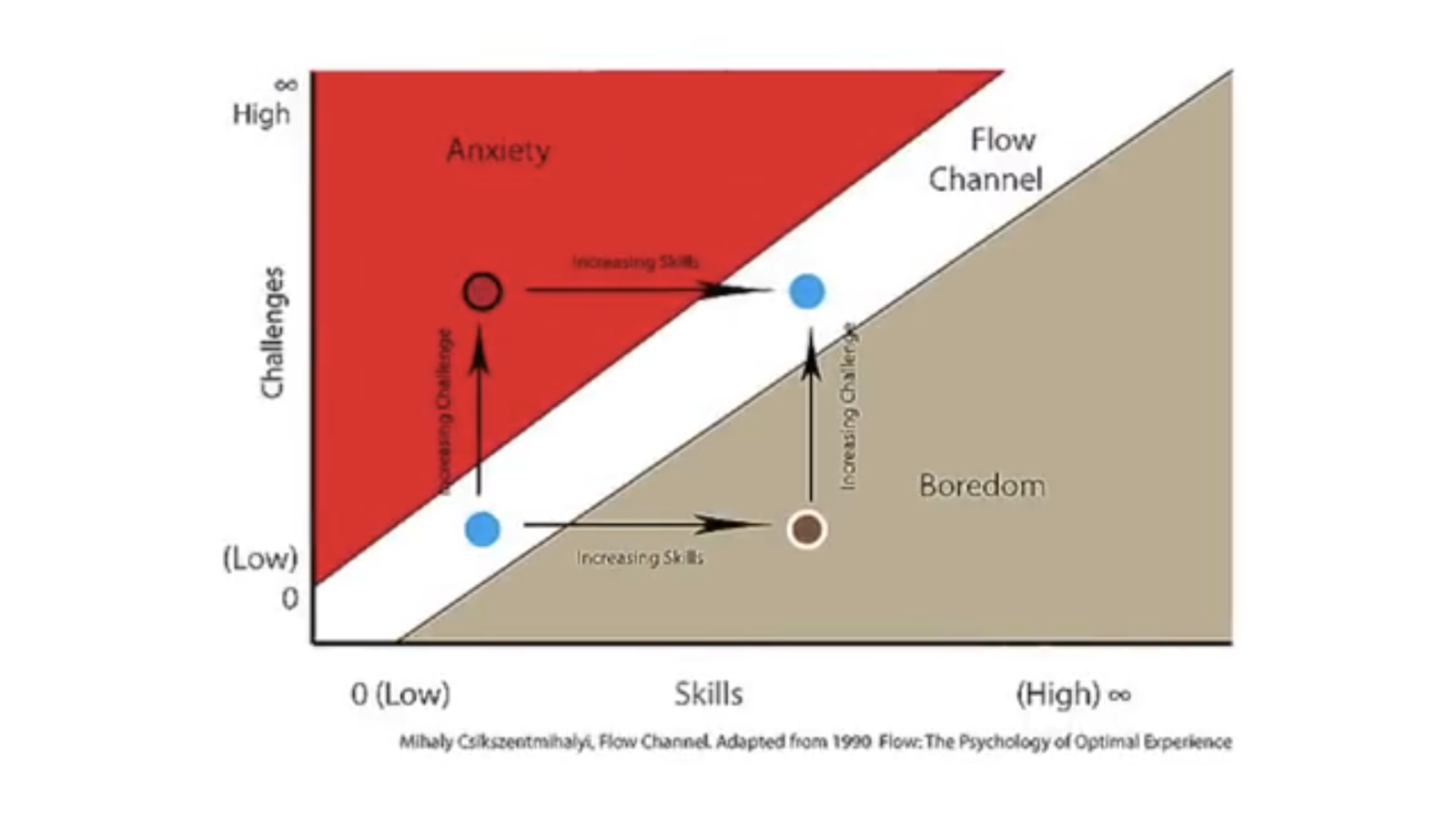
It's really interesting to look at what makes us enjoy things, what challenges us but doesn't overwhelm us, how we create a practice where we do not get bored, that we always keep the interest and fun.
This is one of the additional elements that the method deals with, is the way we bring ourselves to the state that the practice is precisely adapted to our needs and abilities so that it becomes interesting and challenging to a desired extent.
So what is the secret?
3 levels of interest:
the task is too easy - boring
the task is too hard - overwhelming
The task is not too hard and not too easy, it's slightly above our level but not too much - the perfect challenge.
Back to success
when you work on something pay attention to the internal processes when you’re not getting it right away, If it irritates you - get back to the point that you got success:
It will lift your spirit, when you are annoyed you are not in a learning mood, you’re probably self-sabotaging.
you have something to build off of. do not loop through failure, it will continue to confuse you and probably keep you in a low state.
PRACTICE
Internalization Phase
1. Zen warm up
2. FSP
3. QDR
4. Improvise\ Combinations DSR FSP Bridges ZenWarmUp patterns
Open a timer for 1-2 min X 3-5 sets and flow with the movements you already feel comfortable with.
Learning Phase
** Shoot a story & tag: @danaltman10 with a move that you want me to see Either to brag how good you do the movement or get my tip on how to correct movement that you have some difficulties with.